Quick Answer:
What Should You Do After a Slip and Fall at a Chicago Restaurant?
- After a fall at a Chicago restaurant, prioritize your health, report the accident, and preserve evidence if you are able. A restaurant may be legally responsible if it knew or reasonably should have known about a dangerous condition and failed to correct it or warn customers.
- Because surveillance footage, incident reports, and witness memories can disappear quickly, having an experienced Chicago premises liability attorney investigate the accident promptly can help protect your legal rights.
A relaxing meal can turn into a painful and unexpected emergency in an instant. Whether you slipped on a spilled drink, a freshly mopped floor, a loose entrance mat, or an unsafe stairway, a fall at a restaurant can cause broken bones, head injuries, back injuries, and other serious harm. While not every accident results from negligence, Chicago restaurants have a legal duty to maintain reasonably safe conditions for their customers.
Knowing what to do after a restaurant slip and fall can help protect both your health and any potential legal claim. If another party's negligence contributed to your injuries, the actions you take early can make a significant difference in your ability to recover compensation.
Schedule a Free Initial Consultation Today!
Key Takeaways
- Chicago restaurants have a duty to maintain reasonably safe premises for their customers.
- A restaurant may be liable if it knew or should have known about a dangerous condition and failed to address it.
- Medical records, surveillance video, incident reports, and witness statements can become important evidence.
- Insurance companies may dispute how the accident occurred or whether the restaurant was responsible.
- An experienced premises liability attorney can investigate the accident and identify the evidence needed to support your claim.
What Causes Falls in Chicago Restaurants?
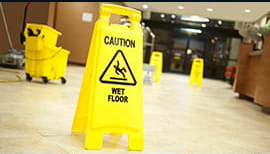
Restaurants are busy environments where employees constantly prepare food, serve customers, clean tables, and move throughout the dining area. Even well-managed establishments can experience spills and other hazards, but property owners and restaurant operators are expected to identify and address dangerous conditions within a reasonable time.
Some of the most common causes of restaurant slip and fall accidents include:
- Spilled beverages left on the floor,
- Dropped food in dining areas
- Grease tracked out of the kitchen
- Freshly mopped floors without adequate warning signs
- Leaking drink stations
- Worn or curled entrance mats
- Uneven flooring
- Damaged sidewalks
- Poorly maintained stairways
- Inadequate lighting making hazards difficult to see
Chicago weather can create additional dangers. Rain, snow, and slush are frequently tracked into restaurants, making entryways and lobbies especially slippery. Although restaurants are not expected to mop every wet floor immediately, they are generally expected to inspect these areas regularly and take reasonable steps to reduce the risk of customer injuries.
The existence of a hazardous condition alone does not automatically mean the restaurant was negligent. Instead, the circumstances surrounding the accident—including how long the hazard existed and what the restaurant did in response—often determine whether the business may be legally responsible for a fall.
Do Restaurants Have a Duty to Keep Customers Safe?
Yes. Restaurants that invite customers onto their property owe those customers a duty to maintain reasonably safe premises.
That does not mean a restaurant guarantees that no one will ever be injured. Accidents can happen even when employees exercise reasonable care. However, restaurants are generally expected to inspect their property, address dangerous conditions within a reasonable time, and provide appropriate warnings when hazards cannot be corrected immediately.
For example, if an employee knows a drink has been spilled in a busy walkway but leaves it unattended for an extended period without cleaning it or placing warning signs nearby, the restaurant may have failed to meet its legal responsibilities. Likewise, a business that ignores damaged flooring, loose carpeting, broken handrails, or recurring leaks could face liability if those conditions cause a customer to fall.
Whether a restaurant acted reasonably depends on the specific facts of each case. Attorneys investigating these claims often examine how the business monitored its premises, whether employees followed established safety procedures, and whether the hazardous condition should have been discovered before the accident occurred.
What Should You Do After a Chicago Restaurant Slip and Fall?
The moments after a serious fall can be confusing and painful, and your first priority should always be your health. Once your immediate medical needs have been addressed, there are several ways to help protect your legal rights.
Seek Medical Attention
Even if your injuries do not seem severe at first, it is important to receive a medical evaluation as soon as possible. Some injuries, including concussions, internal injuries, soft tissue damage, and certain fractures, may not show symptoms immediately.
Prompt medical treatment not only helps protect your health and recovery but also creates medical records documenting when your injuries occurred and the treatment you received.
Notify Restaurant Management
If you are able, let a manager know what happened before leaving the restaurant. Many businesses prepare an incident report after a customer is injured.
When speaking with restaurant staff, explain where and how the fall occurred, but avoid guessing about the cause of the accident and don’t minimize your injuries before you know their full extent.
Preserve Evidence While It Is Still Available
Restaurant employees often clean spills, replace damaged mats, or otherwise correct hazardous conditions shortly after an accident. If your condition allows—or if a family member or friend can help—try to obtain photographs of the area before anything changes.
It can also be helpful to keep the shoes and clothing you were wearing, save your receipt, and obtain the names and contact information of anyone who witnessed the fall. These details may become important if questions later arise about how the accident occurred.
Be Careful When Speaking With Insurance Companies
If the restaurant's insurance company contacts you, remember that its representatives are investigating the claim on the business's behalf. Before providing a recorded statement or accepting a settlement offer, it is crucial that you understand your legal rights and the full extent of your injuries. Talk to an experienced injury lawyer before you make a mistake that might haunt you later.
How Can You Tell Whether the Restaurant Was Negligent?
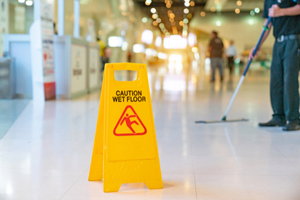
Not every restaurant slip and fall accident results in a valid injury claim under the Illinois Premises Liability Act. To establish negligence, the evidence generally must show the restaurant knew—or reasonably should have known—about the dangerous condition before the accident occurred.A Chicago slip and fall accident lawyer can help evaluate whether the available evidence supports a negligence claim.
For example, if employees created the fall hazard by dropping food and failing to clean it up, that may support a negligence claim. Similarly, if a spill remained on the floor long enough that restaurant staff should have discovered and addressed it during routine inspections, the business may also be responsible.
On the other hand, if another customer dropped a drink only moments before the accident, the restaurant may not have had a reasonable opportunity to discover and correct the hazard. Because every case depends on its own facts, determining negligence may require a thorough investigation to find evidence showing what occurred before the fall.
What Evidence Can Help Prove a Restaurant Slip and Fall Claim?
A successful premises liability claim depends on more than showing that an accident occurred. The evidence must demonstrate how the fall happened, what dangerous condition existed, and whether the restaurant acted reasonably under the circumstances. These details are often essential to prove premises liability in a restaurant slip and fall case.
Many of the most important pieces of evidence are only available for a limited time. Depending on the circumstances, helpful evidence may include:
- Surveillance video from inside or outside the restaurant.
- Incident reports prepared by restaurant employees or managers.
- Photographs of the hazardous condition and the surrounding area.
- Witness statements from customers and employees.
- Cleaning schedules and inspection records.
- Maintenance records for flooring, stairways, or entryways.
- Weather conditions, if rain, snow, or ice contributed to the fall.
Keep in mind, surveillance footage may be automatically overwritten, employees' memories fade, and hazardous conditions are often cleaned up immediately after an accident. That is why it’s important to begin investigating a slip and fall accident claim as soon as possible.
What Compensation May Be Available After a Restaurant Slip and Fall?
Every slip and fall case is different, and the value of a claim depends on the nature of the injuries and their impact on the injured person's life. A relatively minor injury may require only a few weeks of treatment, while a serious fall can lead to surgery, lengthy rehabilitation, permanent limitations, or chronic pain.
When a restaurant's negligence causes a customer's injuries, compensation may be available for losses such as medical expenses, future medical care, lost wages, diminished earning capacity, pain and suffering, disability, disfigurement, and loss of normal life. The purpose of a personal injury claim is not simply to reimburse out-of-pocket costs but to account for the full effect the injury has had—and is expected to have—on the person's life.
An experienced attorney can evaluate both the immediate and long-term consequences of a serious injury to help ensure that future medical needs and financial losses are properly considered before discussing settlement.
What If the Restaurant Claims the Accident Was Your Fault?
It is common for restaurants and their insurance companies to argue that the injured customer shares responsibility for the accident. They may claim the hazard was obvious, that the customer was distracted, failed to watch where they were walking, or wore inappropriate footwear. These defense arguments do not automatically prevent someone from pursuing compensation.
In cases where the injured person may share some responsibility for their injuries, Illinois follows a modified comparative negligence rule. Under this system, an injured person's own actions may be considered when determining liability, but simply alleging that the customer was partly at fault does not end the claim.
As long as you were not more than 50% at fault for your fall, you can still seek compensation from a negligent restaurant. However, any recovery will be reduced by the percentage of fault assigned to you.
Because insurance companies often attempt to minimize their financial responsibility by shifting blame to the injured person, you need a tenacious legal team that will conduct a thorough investigation to find strong supporting evidence and push back against unfair blame shifting.
Don’t Wait to Explore Your Legal Options
The Illinois statute of limitations generally provides only two years from the date of a slip and fall accident to file a personal injury lawsuit. During those two years, a reputable legal team needs time to gather evidence, prepare an injury claim, and negotiate with the insurance company before you must file your civil lawsuit.
At the same time, the restaurant may overwrite surveillance footage, employees change jobs, witness memories become less reliable, and accident scenes are quickly cleaned or repaired. Waiting too long can make it much more difficult to determine what caused the fall and whether the restaurant may be held liable.
Partnering with a skilled Chicago slip-and-fall attorney soon after the accident allows them the chance to identify and preserve important evidence while it is still available. Early investigation can also help determine whether additional records, photographs, or witness statements should be obtained before they are lost.
Frequently Asked Questions About Chicago Restaurant Slip and Fall Accidents
Can I sue a restaurant if I slipped on a wet floor?
Possibly. A restaurant may be liable if it knew or reasonably should have known that the floor was dangerously wet and failed to clean it up or provide an adequate warning within a reasonable time. If those facts are established, you may have grounds to sue for a slip and fall accident.
Does the restaurant have to prepare an incident report after my fall?
Many restaurants prepare incident reports after a customer is injured, but their internal policies vary. If a report was created, it may become an important piece of evidence during a premises liability case.
What if there were no warning signs?
The absence of warning signs does not automatically establish negligence, but it may be relevant if employees knew about a dangerous condition that could not be corrected immediately. Whether the restaurant acted reasonably depends on all of the surrounding circumstances.
Can I file a claim if I slipped at a fast-food restaurant?
Possibly. Fast-food restaurants, casual dining establishments, fine dining restaurants, and other food service businesses all have a duty to maintain reasonably safe premises for their customers. Their liability depends on the specific facts of the accident rather than the type of restaurant involved.
What if I slipped in the restaurant's parking lot or entryway?
A restaurant's responsibility for maintaining safe premises may extend beyond the dining area. Depending on the circumstances, a slip-and-fall in a parking lot, on a sidewalk leading to the entrance, or near the restaurant's entryway may also give rise to a premises liability claim against the restaurant, a shopping center, a commercial landlord, or another party.
Contact Abels & Annes, P.C. After a Chicago Restaurant Slip and Fall to Learn More
A serious fall at a restaurant can lead to painful injuries, expensive medical treatment, lost income, and uncertainty about what comes next. If the restaurant's negligence contributed to your accident, understanding your legal rights is an important part of protecting your financial future.

At Abels & Annes, P.C., our attorneys handle restaurant slip and fall accidents and help identify how the hazard developed, whether the business acted reasonably, and what evidence supports our clients' claims. We work to pursue the full compensation our clients deserve while handling the legal process on their behalf.
We offer free consultations 24 hours a day, seven days a week, and you pay no attorney's fees unless we recover compensation for you. Our team is available to meet in person, by phone, or by video conference, and we can travel to injured clients when needed.
Call us at (312) 924-7575 today to discuss your legal rights after a Chicago restaurant slip and fall case.