Quick Answer:
Can You Sue the City of Chicago After a Bicycle Accident Caused by a Pothole?
- You may be able to sue the City of Chicago if a dangerous pothole or other roadway defect caused your bicycle accident, but claims against government entities are subject to special legal rules that differ from ordinary personal injury lawsuits.
- You will need to prove the City knew—or reasonably should have known—about the hazardous condition and failed to repair it within a reasonable time.
- An experienced Chicago bicycle accident lawyer can explain your rights during a free consultation.
Chicago's streets can present unique hazards for cyclists. While many bicycle accidents involve negligent motorists, some occur because a dangerous roadway defect creates an unreasonable risk for everyone using the street.
Potholes, broken pavement, uneven utility covers, and deteriorating road surfaces can cause a rider to lose control in an instant, often leading to broken bones, head injuries, spinal injuries, and other serious harm. If a poorly maintained roadway caused your crash, you may have legal options.
Pursuing a claim against the City of Chicago is very different from bringing a personal injury claim against a private individual or business. Understanding how these claims work can help you protect your rights after a serious bicycle accident.
Schedule a Free Initial Consultation Today!
Key Takeaways
- The City of Chicago may be liable if a dangerous roadway condition caused your bicycle accident.
- Municipal liability claims are governed by different legal rules than claims against private parties.
- Proving the City knew or should have known about the roadway defect is often one of the most important issues in the case.
- Evidence of the hazard should be preserved before the roadway is repaired or conditions change.
- Successfully pursuing a municipal claim requires careful investigation and compliance with applicable legal procedures.
Can the City of Chicago Be Responsible for a Dangerous Roadway?
Sometimes, yes.
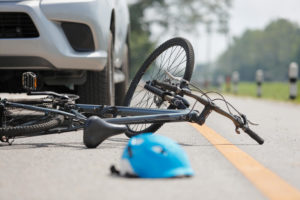
The City of Chicago has responsibilities for maintaining many public streets, bike lanes, and other roadways used by cyclists. When a dangerous pothole or roadway defect contributes to a bicycle accident, the City may be legally responsible if its negligence contributed to the crash.
However, not every pothole automatically creates liability. Chicago's streets experience constant wear from traffic, utility work, weather, and freeze-thaw cycles. The law generally recognizes that municipalities cannot discover and repair every roadway defect immediately after it develops.
Instead, whether the City may be liable often depends on questions such as how long the dangerous condition existed, whether City officials knew or should have known about it, and whether reasonable steps were taken to repair or warn of the hazard.
In some situations, the roadway may not even be maintained by the City. Portions of roads may be under the control of another governmental entity, a utility company, or a private contractor performing construction or repair work. Determining who was responsible for maintaining the area where the crash occurred is one of the first issues attorneys investigate.
Why Does the City's Knowledge of the Pothole Matter?
One of the central issues in many municipal liability cases is whether the City had notice of the dangerous condition before the accident occurred.
In general, an injured cyclist must show more than the existence of a pothole. Under the Illinois Premises Liability Act, the evidence must establish that the City either actually knew about the hazard or reasonably should have discovered it before the crash. For example:
- Actual notice may exist if City employees previously inspected the area, received reports about the pothole, or scheduled repairs before the accident occurred.
- Constructive notice, on the other hand, generally focuses on whether the defect existed long enough or was obvious enough that the City should have identified it through reasonable inspection and maintenance practices.
These questions often become the focus of the investigation because they help determine whether the municipality had a reasonable opportunity to correct the dangerous condition before someone was injured.
What Evidence Can Help Show the City Knew About the Hazard?
Because roadway conditions often change quickly, gathering evidence showing the dangerous condition existed before the accident is one of the most important parts of a municipal bicycle accident case. Photographs taken immediately after the crash can document the size, depth, and location of the pothole before repairs are made. Damage to the bicycle may also help demonstrate the severity of the roadway defect. A Chicago bicycle accident lawyer can help preserve and evaluate this evidence before the condition changes.
Depending on the circumstances, a thorough investigation may include reviewing:
- Public maintenance records
- Prior repair requests
- Roadway inspection record
- Photographs
- Surveillance footage
- Witness statements
- Other publicly available information
to help establish how long the defect had been present.
In some cases, attorneys may also seek public records relating to prior complaints, maintenance activities, or repair histories involving the roadway. Historical photographs or mapping imagery may further demonstrate that the dangerous condition existed well before the accident occurred.
Gathering this evidence promptly is important because road crews may repair the pothole within days of the crash, eliminating one of the most significant pieces of physical evidence in the case.
Can Someone Other Than the City Be Responsible?
Although many people assume the City is responsible whenever a bicycle accident involves a pothole, that is not always the case. Construction companies, utility providers, and private contractors frequently perform work on Chicago streets.
If one of these entities created an unsafe roadway condition, failed to properly repair the pavement, or left construction areas in a dangerous condition, it may bear responsibility for the resulting bicycle accident injuries. Similarly, a defective utility cover, improperly patched roadway, or hazardous construction zone may involve liability on the part of the company performing the work rather than the City itself.
Some accidents involve more than one negligent party. For example, a cyclist may lose control after striking a pothole and then be struck by a negligent driver. In other situations, both the municipality and a private contractor may share responsibility for creating or failing to correct a dangerous roadway condition. These scenarios illustrate some of the common types of bicycle accidents that can involve multiple sources of liability.
Identifying every potentially responsible party is an important part of building a strong injury claim because doing so helps ensure that all available sources of compensation are accessed.
What If the City Says the Cyclist Was at Fault?
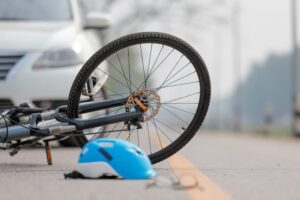
In many personal injury cases, the defendant may argue that the cyclist's own actions contributed to the accident. For example, the City may claim the rider was traveling too fast for the conditions, failed to maintain a proper lookout, ignored visible roadway hazards, or could have avoided the pothole altogether.
These arguments do not automatically prevent an injured cyclist from recovering compensation because Illinois follows a modified comparative negligence system in personal injury cases.
Under this rule, if an injured person was partially at fault for the accident, they may still recover legal damages as long as they were not more than 50% responsible. Any recovery will be reduced by the amount of fault attributable to the cyclist.
Insurance companies often try to shift blame to injured cyclists to reduce the amount of the claim. Your injury lawyer should anticipate this defense and be prepared to push back with evidence and legal arguments to support your bicycle accident claim.
Why Acting Quickly Is Especially Important in Municipal Bicycle Accident Cases
Time is important after any personal injury accident, but it can be even more critical when a government entity may be involved.
Claims against the City of Chicago are subject to legal rules and procedural requirements that differ from claims against private individuals or businesses. Depending on the circumstances, different deadlines, filing requirements, and legal protections may affect an injured cyclist's ability to recover compensation.
Just as importantly, the physical evidence itself may not last long. Potholes are often repaired after accidents are reported, construction projects continue, temporary traffic control devices are removed, and roadway conditions change over time. Surveillance footage from nearby businesses may also be deleted, while witnesses become more difficult to locate as weeks and months pass. That is why preserving evidence promptly is especially important after a Chicago bicycle accident.
Beginning the investigation early gives attorneys the best opportunity to document the roadway condition before it changes, identify the parties responsible for maintaining the area, preserve evidence that may later become difficult to obtain, and meet statutory deadlines.
How Attorneys Pursue Municipal Bicycle Accident Claims
Successfully pursuing a claim against the City of Chicago involves much more than identifying a dangerous pothole. Once the initial investigation is complete, attorneys must follow the legal procedures applicable to claims against government entities and build a strong legal argument to support compensation.
Your legal team must identify every potentially responsible party and evaluate which legal requirements apply to your claim. In some cases, that may involve providing required notices, consulting with engineers or other experts regarding roadway conditions, and documenting the full extent of your injuries and financial losses.
Attorneys also communicate directly with the governmental entity, its insurance representatives, and defense counsel on your behalf. They present the evidence supporting liability, respond to legal defenses, and negotiate for a settlement that reflects your current losses and any anticipated future medical care, lost earning capacity, or other long-term damages.
While many personal injury claims resolve through negotiated settlements, not every case can be settled fairly. If the responsible parties refuse to accept appropriate responsibility or offer reasonable compensation, filing a lawsuit and pursuing the matter through litigation may become necessary.
During the litigation process, attorneys conduct discovery, take depositions, work with expert witnesses when appropriate, and prepare the case for trial. Your claim may be presented to a judge or jury to make a final determination of fault and damages.
Because municipal liability cases often involve additional legal issues that are not present in ordinary personal injury claims, having an attorney manage the investigation, procedural requirements, negotiations, and litigation can help ensure that important opportunities are not overlooked.
What Compensation May Be Available After a Municipal Bicycle Accident?
A bicycle crash caused by a dangerous roadway condition can result in life-changing injuries. Cyclists have little protection against the impact of a fall, and even a relatively low-speed accident can lead to significant physical, emotional, and financial consequences.
When a municipality or another responsible party is legally liable for the accident, compensation may be available for losses such as medical expenses, future medical treatment, lost wages, diminished earning capacity, pain and suffering, disability, disfigurement, and loss of normal life. The specific damages available in your claim depend on the facts, the severity of your injuries, and the effect those injuries have had on your daily life and future. An experienced attorney can evaluate all losses to help ensure that any settlement discussions or trial verdict account for the full impact of the accident.
Frequently Asked Questions About Bicycle Accidents Caused by Potholes in Chicago
What should I do if the pothole has already been repaired?
A repaired pothole does not necessarily prevent you from pursuing a claim. Photographs, videos, witness statements, bicycle damage, medical records, and other evidence may still help establish what happened. Attorneys may also investigate maintenance records, repair histories, and other documentation to determine when the defect was repaired and whether it existed before the accident.
What if construction work caused the dangerous road condition?
The City is not always the responsible party. Construction companies, utility providers, contractors, or other entities performing work on the roadway may also be liable if their negligence created or failed to correct a hazardous condition.
Does it matter whether I was riding in a bike lane?
No. Cyclists have the right to use Chicago's streets in many different situations, not just designated bike lanes. Whether you were riding in a marked bike lane, on the roadway, or elsewhere where bicycling is permitted, the relevant legal question is generally whether a dangerous roadway condition contributed to the accident and who was responsible for maintaining that area.
Contact Abels & Annes, P.C. After a Chicago Bicycle Accident Caused by a Dangerous Roadway

A pothole or other roadway defect can turn an ordinary bicycle ride into a serious accident with lasting consequences. If you believe the City of Chicago or another party failed to maintain a reasonably safe roadway, understanding your legal rights is an important first step toward pursuing compensation.
At Abels & Annes, P.C., our attorneys investigate municipal bicycle accident claims, identify every potentially responsible party, preserve critical evidence, and handle every stage of the claims process—from complying with applicable legal requirements and negotiating with government representatives to litigating cases when a fair settlement cannot be reached. Our goal is to protect our clients’ rights while allowing them to focus on their recovery.
We offer free consultations 24 hours a day, seven days a week, and you pay no attorney's fees unless we recover compensation for you. We are available to meet in person, by phone, or by video conference, and our attorneys can travel to you. Call (312) 924-7575 today to discuss your Chicago bicycle accident with our experienced team.