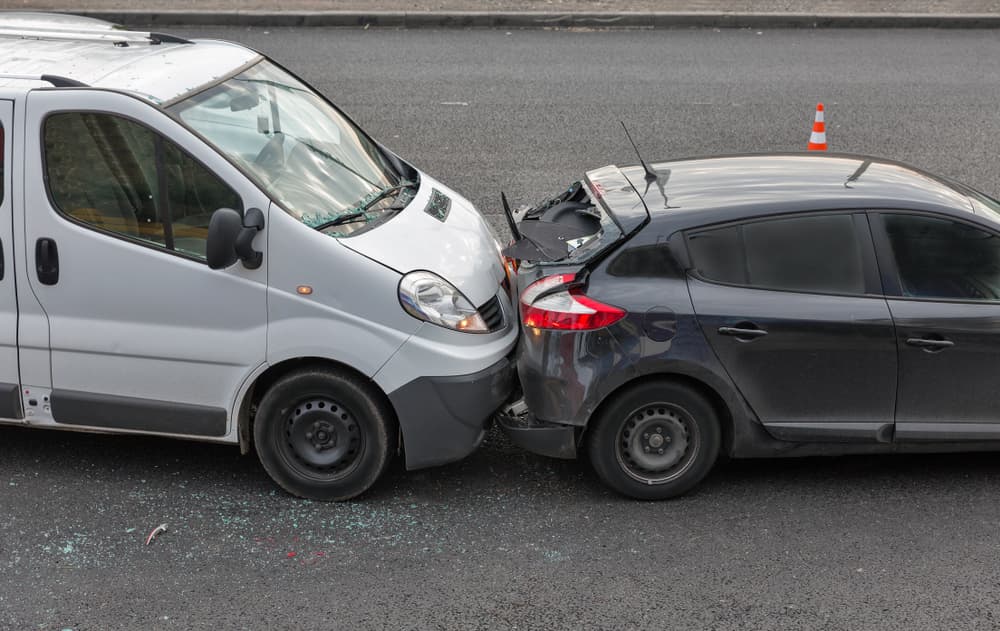
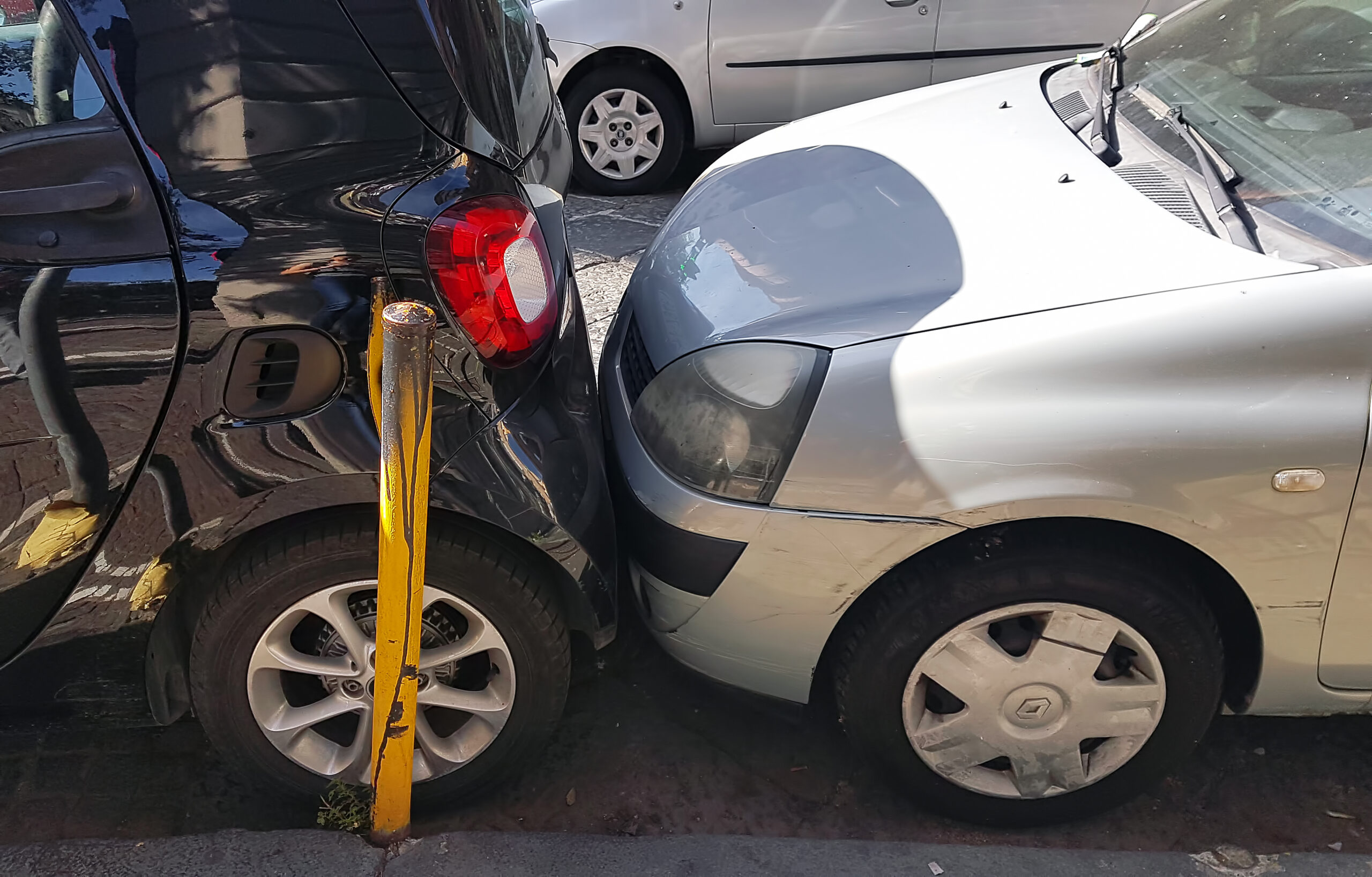
Imagine this: You're driving home after a long day at work, feeling exhausted and struggling to keep your eyes open. Suddenly, you find yourself drifting into another lane, narrowly avoiding a collision with an oncoming vehicle. This frightening scenario is all too common on our roads, as countless individuals fall victim to driver fatigue every day.
Driver fatigue, also known as drowsy driving, is a silent killer that lurks on our highways and byways, waiting to strike when we least expect it. It slowly creeps up on unsuspecting drivers, gradually eroding their ability to operate a vehicle safely until it's too late. The consequences of this seemingly innocuous state of mind can be catastrophic, leading to devastating accidents, life-altering injuries, and even death.
In a society that glorifies busyness and often overlooks the importance of rest, driver fatigue has become a pervasive issue that affects people from all walks of life. From overworked professionals to sleep-deprived students, no one is immune to the dangers of drowsy driving. It is a problem that demands our attention and action, as the stakes are simply too high to ignore.
If you or a loved one has been involved in a motor vehicle accident caused by a fatigued driver, reach out to a knowledgeable car accident lawyer near you today.
How Common is Drowsy Driving?

Drowsy driving is a surprisingly common problem on our roads, and its prevalence is often underestimated due to the difficulty in accurately tracking and reporting incidents related to driver fatigue.
However, several studies and statistics provide insight into the pervasiveness of this issue:
- The National Highway Traffic Safety Administration (NHTSA) estimates that drowsy driving was responsible for 91,000 crashes, 50,000 injuries, and 795 deaths in one recent. However, these numbers are likely conservative, as it can be challenging to determine whether fatigue contributed to many accidents.
- A study by the AAA Foundation for Traffic Safety found that 9.5% of all crashes and 10.8% of crashes resulting in significant property damage involved drowsy driving.
- The same AAA study revealed that an estimated 37% of drivers have fallen asleep behind the wheel at some point, with 11% admitting to having done so in the past year.
- The Centers for Disease Control and Prevention (CDC) reports that 1 in 25 adult drivers (18 or older) report falling asleep while driving in the previous 30 days.
- Certain populations are more susceptible to drowsy driving, such as commercial drivers, shift workers, and individuals with untreated sleep disorders. The National Sleep Foundation's Sleep in America poll found that 36% of respondents who worked night shifts or rotating shifts admitted to driving drowsy at least a few days per month.
- A study published in the journal SLEEP found that drivers who slept for less than 4 hours in the preceding 24-hour period had an 11.5 times higher risk of a crash than drivers who slept for 7 hours or more.
These statistics underscore the importance of recognizing driver fatigue as a serious public health and safety issue. By raising awareness about the dangers of drowsy driving and promoting healthy sleep habits, we can reduce fatigue-related accidents on our roads.
Causes of Driver Fatigue
While some factors that can lead to drowsy driving may seem obvious, others can be more subtle and easily overlooked. Here’s a closer look at the primary culprits behind drowsy driving and how they contribute to this dangerous condition.
Lack of Sleep
In our fast-paced, modern world, many people burn the candle at both ends, sacrificing sleep to meet the demands of work, family, and social obligations. However, failing to prioritize adequate rest can have severe consequences when driving.
Adults typically require between 7 and 9 hours of sleep per night to function at their best, and anything less can lead to a sleep debt that accumulates over time.
When a person gets behind the wheel without sufficient sleep, they may experience drowsiness, slowed reaction times, and impaired decision-making, all of which increase the risk of accidents.
Sleep Disorders
Even when individuals make a concerted effort to get enough sleep, underlying sleep disorders can disrupt their rest and lead to daytime fatigue. Conditions such as sleep apnea, insomnia, and narcolepsy can significantly impact the quality and quantity of a person's sleep, leaving them feeling exhausted and unable to concentrate during waking hours. Sleep apnea, for example, causes repeated breathing interruptions throughout the night, preventing the sufferer from achieving deep, restorative sleep. As a result, those with untreated sleep disorders may experience excessive daytime sleepiness, putting them at a higher risk of drowsy driving accidents.
Long Hours of Driving
Spending extended periods behind the wheel is a job requirement for commercial drivers, such as those operating trucks or buses. However, these long hours of driving can take a significant toll on a person's mental and physical well-being, leading to fatigue and increasing the likelihood of accidents.
The monotony of the road, combined with the physical demands of sitting for prolonged periods, can cause drivers to experience a gradual decline in alertness and reaction times. Additionally, commercial drivers often face pressure to meet tight deadlines, which may lead them to push through fatigue and continue driving when resting.
Medications
Many people rely on prescription and over-the-counter medications to manage various health conditions, but some of these drugs can have unintended consequences when it comes to driving.
Certain medications, such as antihistamines, antidepressants, and even some cold and flu remedies, can cause drowsiness as a side effect. When taking these medications, individuals may not realize the extent to which their driving abilities are impaired until it's too late.
People must carefully read the labels of any medications they take and consult their healthcare provider about potential side effects that could impact their ability to drive safely.
Alcohol and Drug Use
The dangers of driving under the influence of alcohol and drugs are well-known, but many people may not realize that even small amounts of these substances can amplify the effects of fatigue. Alcohol is a depressant that slows down the central nervous system, leading to decreased alertness, impaired judgment, and slowed reaction times.
When combined with fatigue, the effects of alcohol on driving ability can be even more pronounced. Similarly, both illegal and prescription drugs can cause drowsiness and alter a person's perception, making it more difficult to operate a vehicle safely.
Individuals should avoid driving if they have consumed any alcohol or drugs and understand the potential interactions between these substances and fatigue.
Signs of Driver Fatigue
Many signs of fatigue are hard to identify from outside the vehicle.
However, a few telltale indicators may suggest a driver is struggling with fatigue:
- Erratic or inconsistent driving: Fatigued drivers often have difficulty maintaining a consistent speed and may alternate between driving too fast and too slow. They may also exhibit sudden or unnecessary acceleration or braking.
- Drifting or swerving: One of the most noticeable signs of a fatigued driver is a vehicle that repeatedly drifts out of its lane or swerves onto the shoulder of the road. This can result from the driver's inability to maintain proper steering control or experiencing microsleep.
- Failure to maintain a safe following distance: Fatigued drivers may have slower reaction times, which can lead to them following other vehicles too closely. This can be particularly dangerous if the lead vehicle suddenly slows down or stops.
- Delayed responses to traffic signals or signs: If you notice a driver who is slow to react to changing traffic lights or fails to obey stop signs or other traffic control devices, it may be a sign that they are experiencing fatigue-related impairment.
- Driving without headlights at night: In some cases, fatigued drivers may forget to turn on their headlights when driving at night or in low-light conditions. This can be a sign of impaired cognitive function and reduced situational awareness.
These signs can also indicate other forms of impairment, such as distraction or intoxication.
If you observe a driver exhibiting these behaviors, maintain a safe distance and report the vehicle to local law enforcement if you believe the driver poses a danger to themselves or others.
Consequences of Driver Fatigue
The consequences of drowsy driving can be severe and life-altering.
Some potential outcomes include:
- Increased risk of accidents: Fatigued drivers have slower reaction times, reduced vigilance, and impaired decision-making skills, making them more likely to cause accidents.
- Serious injuries: Accidents caused by drowsy driving can result in serious injuries, such as traumatic brain injuries, spinal cord damage, broken bones, and internal organ damage.
- Fatalities: In the worst cases, driver fatigue can lead to fatal accidents, causing irreparable loss to families and communities.
- Legal consequences: Drivers who cause accidents due to fatigue may face civil lawsuits, fines, or even criminal charges, depending on the severity of the incident and the laws in their jurisdiction.
How a Personal Injury Lawyer Can Help

If an accident caused by a fatigued driver injures you or a loved one, seek the help of an experienced car accident lawyer.
At Abels & Annes, P.C., our Chicago-based attorneys are dedicated to protecting the rights of accident victims and helping them obtain the compensation they deserve.
Our team can assist you in several ways:
- Investigating the accident: We will thoroughly investigate the accident, gather evidence, and consult with experts to determine if driver fatigue was a contributing factor.
- Identifying liable parties: We will work to identify all parties liable for the accident, including the tired driver, their employer (if applicable), or any other individuals or entities that may have contributed to the incident.
- Negotiating with insurance companies: Insurance companies often attempt to settle claims for less than they are worth. Our attorneys will negotiate to ensure you receive fair compensation for your injuries, medical expenses, lost wages, and other damages.
- Representing you in court: If a fair settlement cannot be reached, we are prepared to take your case to trial and fight for your rights in court.
- Providing support and guidance: We understand that the aftermath of a serious accident can be overwhelming. Our team will provide you with the support and guidance you need throughout the legal process, ensuring that you can focus on your recovery while we handle the legal aspects of your case.
If you suspect that driver fatigue played a role in your accident, it is crucial to contact a personal injury lawyer as soon as possible. Evidence can disappear quickly, and there may be time limits for filing a claim.
By contacting Abels & Annes, P.C., you can ensure that your rights are protected and that you have the best possible chance of obtaining the compensation you deserve.
Contact a Chicago Car Accident Lawyer Today
Driver fatigue is a serious issue that poses a significant risk to everyone on the road. By understanding the causes, signs, and consequences of drowsy driving, we can take steps to prevent accidents and keep ourselves and others safe.
If an accident caused by a fatigued driver injures you or a loved one, you are not alone. The experienced personal injury attorneys at Abels & Annes, P.C. are here to help you navigate the legal process and fight for the compensation you deserve.
Contact us today at (312) 924-7575 or through our online form for a free consultation, and let us help you on the path to recovery.

Gary Annes
Partner
Personal Injury Lawyer With Over Twenty Years Of Experience
Gary Annes, a partner at Abels & Annes, P.C., has dedicated over two decades to practicing personal injury law, specializing in auto accidents, premises liability, wrongful death, medical malpractice, and sexual abuse. Since earning his law degree in 1995, Gary has led numerous jury trials, and adeptly resolved cases through arbitration and mediation, securing millions in compensation for his clients.
Author's Bio